In the realm of design, humility often becomes the invisible but critical element that differentiates enduring solutions from fleeting trends. While bold ideas and assertive innovation can capture attention, it is the tempered, self-aware approach that builds lasting credibility. Designers who embrace humility recognize the limits of their perspective, opening themselves to the insights and experiences of users, stakeholders, and collaborators. This mindset fosters trust, as it signals that the solution is crafted not for the ego of the creator, but for the genuine needs of those it serves. Humility in design is not weakness; it is a disciplined restraint that values functionality, empathy, and long-term impact over flashy aesthetics or overconfidence.
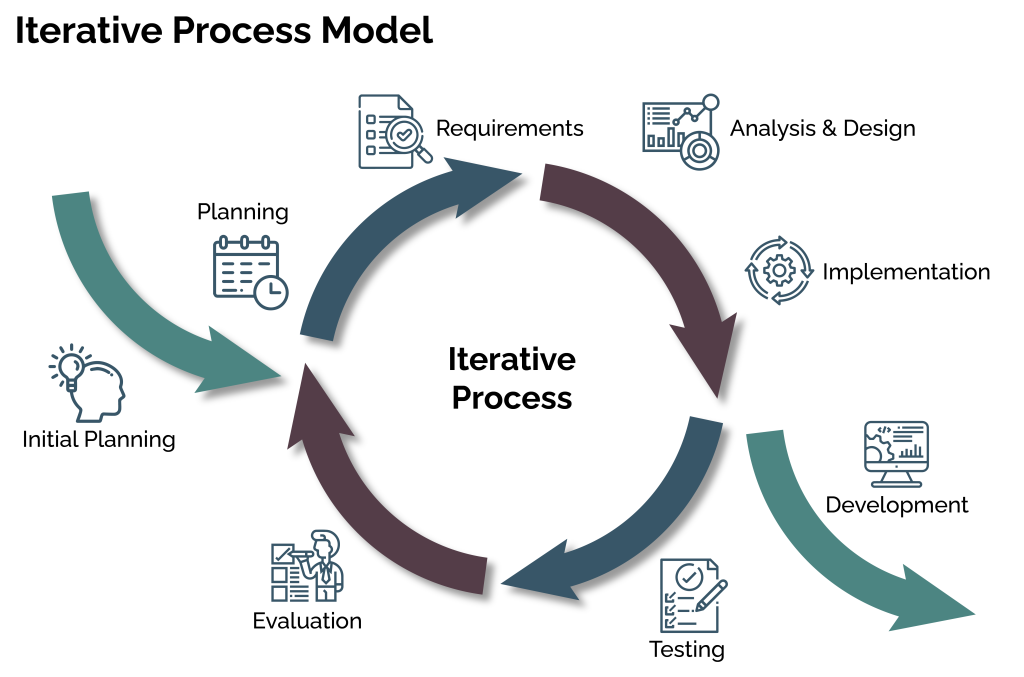
Credibility in design stems from consistency and the ability to deliver value reliably. A designer who practices humility listens attentively, asks thoughtful questions, and engages in active learning. They acknowledge that their first instincts may not always be correct and remain open to critique. This approach encourages iterative refinement, where solutions evolve based on real-world feedback rather than initial assumptions. By prioritizing understanding over self-expression, humble designers create systems and experiences that resonate authentically with users, fostering a sense of trust and dependability that cannot be manufactured through marketing alone.
The principle of humility extends beyond the product itself into the collaborative process. Design is rarely a solitary endeavor; it involves input from cross-functional teams, end users, and often even external communities. A humble designer does not dominate discussions or insist upon their vision but instead facilitates dialogue, incorporates diverse perspectives, and balances competing priorities thoughtfully. This inclusivity leads to more robust outcomes, as designs are tempered by collective wisdom rather than individual ambition. Teams are more likely to respect and support decisions that are grounded in evidence and empathy rather than personal preference, reinforcing credibility across the organization.
Humility in design also means acknowledging uncertainty. Complex problems rarely have clear-cut solutions, and the most effective approaches often emerge through exploration and adaptation. Designers who openly communicate what they know, what they do not, and how they intend to test assumptions demonstrate transparency that stakeholders can trust. This honesty reduces the risk of overpromising and underdelivering, establishing a reputation for reliability. Credibility grows when stakeholders see that a designer can navigate ambiguity thoughtfully, making decisions informed by data, user insight, and ethical considerations rather than hubris or unchecked ambition.
Empathy is the practical manifestation of design humility. By immersing themselves in the experiences and challenges of users, designers cultivate a nuanced understanding that goes beyond surface-level observations. Humble designers recognize that their own experiences are not universal and actively seek to identify and address gaps in accessibility, inclusivity, and usability. They prioritize solutions that serve the broader spectrum of users, ensuring that designs are not only functional but equitable. In doing so, they earn the trust of users who feel seen, heard, and valued, further reinforcing credibility through actions rather than claims.
Another dimension of humility in design is the willingness to defer to expertise outside one’s own domain. While designers may have deep proficiency in visual communication, interaction, or systems thinking, other disciplines bring equally critical insights. Collaborating with engineers, researchers, content strategists, and business stakeholders requires respect for their knowledge and acknowledgment of one’s own limits. A designer who approaches collaboration with humility fosters an environment where ideas are evaluated on merit and integrated effectively, resulting in solutions that are coherent, feasible, and sustainable. This collaborative respect builds credibility internally and externally, signaling that the design is thoughtful, practical, and strategically grounded.
Design humility is also reflected in the acceptance of mistakes and the readiness to iterate. No design is perfect at inception, and the willingness to learn from failure is a hallmark of credible practice. Designers who view errors as opportunities for growth rather than threats to authority demonstrate resilience and maturity. They document learnings, share insights with peers, and adapt processes to prevent repetition of the same missteps. This culture of reflective improvement not only enhances the quality of design outcomes but also strengthens confidence among stakeholders, who come to rely on the designer’s judgment and adaptability.
The subtle power of design humility lies in its long-term effect on perception. While flashy, attention-grabbing work may generate immediate recognition, it is consistent, thoughtful, and empathetic design that builds reputation over time. Users, clients, and colleagues notice when solutions are intuitive, reliable, and considerate of real-world needs. They recognize the restraint, observation, and care that went into crafting these experiences. Humble design communicates that the focus is on purpose and service rather than self-aggrandizement, creating a credibility that endures far beyond the initial impression.
In the digital era, where products and interfaces are ubiquitous and often disposable, credibility becomes a differentiator. Humility provides a guiding principle that aligns design decisions with human-centered values rather than fleeting trends or personal ego. Designers who embody humility create work that feels honest, approachable, and trustworthy. They build systems that are adaptable, resilient, and respectful of user intelligence. Each design decision, tempered by consideration and restraint, signals to users and stakeholders that the creator values substance over spectacle, and integrity over impulsivity.
Ultimately, design humility is inseparable from ethical responsibility. It demands attention to consequences, social impact, and the long-term sustainability of decisions. Credibility is earned not through declarations of competence but through a history of responsible, user-centered action. By grounding decisions in empathy, evidence, and careful judgment, humble designers cultivate confidence in their work and inspire trust in those who rely on it. In a landscape crowded with noise, where claims can easily outpace delivery, humility serves as a quiet but enduring beacon, demonstrating through consistent, thoughtful practice that credibility is not demanded—it is deserved.
By embracing humility, designers transform their practice from a performance into a service, from a showcase of talent into a conduit for meaningful impact. They recognize that the value of their work is measured not by the accolades it receives but by the trust it earns, the problems it solves, and the lives it touches. In this way, humility becomes both a principle and a strategy, ensuring that credibility is built not in moments of visibility but across the enduring arc of responsible, empathetic, and reflective design practice.
The essence of humility in design is therefore not passive; it is active, intentional, and deeply strategic. It empowers designers to prioritize listening over dictating, learning over asserting, and refining over insisting. It positions credibility as the natural outcome of disciplined care, thoughtful collaboration, and unwavering attention to human needs. By committing to this approach, designers ensure that their work resonates, their decisions endure, and their practice earns a level of respect and trust that cannot be fabricated but only cultivated through sustained humility and thoughtful action.
Humility in design ultimately reinforces the broader mission of design itself: to create experiences, systems, and products that improve lives. When credibility is earned through humility, it amplifies the impact of design work, fostering confidence, loyalty, and engagement among users and stakeholders alike. In a field that constantly evolves, where innovation and disruption are prized, the steady grounding of humility ensures that design remains both relevant and reliable, demonstrating that true influence arises not from self-promotion, but from consistent, empathetic, and responsible action that earns respect organically over time.
Credibility, therefore, is inseparable from humility. It is not a superficial badge or a fleeting accolade; it is a reflection of integrity, care, and competence demonstrated repeatedly through action. Designers who internalize humility understand that every choice, every interaction, and every iteration is an opportunity to reinforce trust. By valuing insight over ego, collaboration over dominance, and long-term impact over immediate gratification, they cultivate a practice where credibility is not just achieved—it is inherent, visible, and enduring.
In every aspect of the design process, from research to prototyping, from feedback to implementation, humility functions as both compass and foundation. It guides decisions, tempers ambition, and ensures that design work remains aligned with human needs and ethical considerations. Through humility, designers earn credibility not by asserting it, but by living it through consistent, thoughtful, and user-centered practice, leaving a legacy of work that is trusted, respected, and deeply impactful.



Be First to Comment