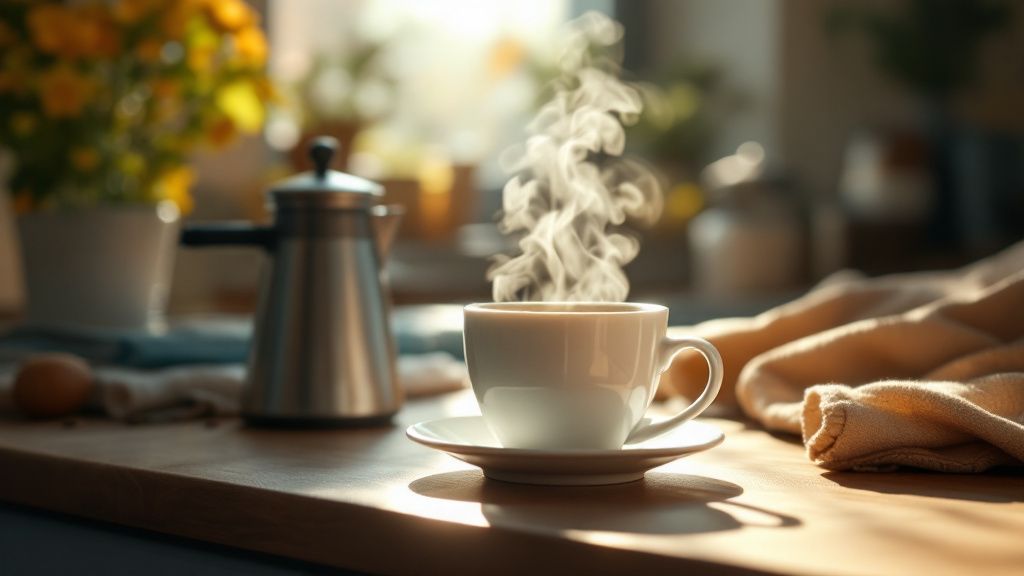
Life often moves in patterns that are quietly predictable, yet comforting in their familiarity. Each day unfolds with subtle rituals, from the first stretch upon waking to the moment of closing our eyes at night. These routines, though seemingly mundane, anchor us in a world that often feels unpredictable and chaotic. They provide a rhythm, a cadence that allows us to navigate complexity without being overwhelmed. There is a soothing quality in knowing that the sun will rise, that the coffee will steam in its familiar cup, and that small gestures will mark the progression of time.
The power of routine lies in its ability to create a sense of mastery over our environment. When we consistently perform tasks in a structured way, our minds are freed from constant decision-making. Brushing our teeth, preparing breakfast, commuting to work—these acts, repetitive as they are, build a scaffold for higher cognitive functions. They establish a foundation from which creativity and strategic thinking can flourish. In the repetition of simple acts, there is a silent training of patience, attention, and mindfulness. Each repeated motion carves a groove in our consciousness, forming habits that become extensions of ourselves.
Familiarity itself carries emotional weight. The same street walked daily, the same sound of the coffee machine, the same sequence of morning exercises—these elements provide stability. They remind us that some parts of life are steady, even when other areas feel turbulent. This steadiness fosters a quiet confidence; it tells the brain that the world is comprehensible, predictable, and navigable. Emotional resilience grows in these spaces, where the mind can rest in the known while the external world remains fluid.
Routines also act as markers of identity. The ways we order our mornings or structure our workdays speak to our values, priorities, and personalities. Someone who reads for thirty minutes before bed signals a commitment to continuous learning. Someone who journals every morning signals reflection and introspection. These small choices accumulate, forming a narrative of self that is tangible and coherent. The repetition of chosen actions becomes a mirror reflecting who we are and who we aspire to be, offering both self-recognition and reassurance.
Beyond personal growth, routines strengthen social bonds. Shared schedules, communal meals, and synchronized rituals create collective rhythms. Families who eat together at consistent times develop deeper connections. Teams that begin meetings with customary check-ins establish trust and cohesion. Even the simple act of greeting a neighbor in a habitual manner fosters a sense of community. Predictable behaviors signal reliability to others, creating an environment where interactions feel safer and more meaningful.
The physiological effects of routine are equally significant. Consistent sleep patterns, regular exercise, and predictable eating schedules optimize health. The body thrives on regularity; hormones align, digestion stabilizes, and energy levels sustain more evenly. Mental health benefits too, as predictable structures reduce anxiety and stress by minimizing uncertainty. By embedding healthful routines into daily life, individuals create systems that support longevity and wellbeing, often without conscious effort. The body and mind learn to anticipate the next step, creating harmony between intention and action.
Interestingly, the beauty of routine does not lie in rigidity but in its adaptability. While structure is grounding, flexibility within those structures prevents stagnation. Adjusting the time of a workout, trying a new breakfast recipe, or taking a different route to work introduces variation without dismantling the underlying pattern. Such flexibility preserves engagement and prevents monotony. The mind remains stimulated, curious, and alert, while the heart continues to find comfort in the familiar framework. This balance between predictability and novelty is subtle but powerful, allowing routines to sustain long-term satisfaction.
Routine also intersects with creativity in profound ways. Contrary to the belief that strict schedules stifle innovation, structured patterns can actually enhance creative output. By removing the cognitive load of constant planning, routines free the mind to explore ideas more deeply. Many writers, artists, and thinkers adhere to daily practices, understanding that regularity fuels inspiration. The mind becomes like a well-tuned instrument, ready to translate spontaneous insight into action. Habits create fertile ground where creativity can emerge without being hindered by disorder or distraction.
In the digital age, routines have evolved but retained their core function. Notifications, reminders, and calendar prompts create a virtual scaffolding that mirrors the structure of the physical world. People organize work, leisure, and self-care with apps that replicate traditional patterns, ensuring continuity even amidst rapid technological change. This extension of routine into digital spaces demonstrates the enduring human need for consistency. Even in highly dynamic environments, the rhythm of daily practice preserves orientation, sanity, and productivity.
Reflecting on the role of routine also highlights its philosophical dimension. Life’s impermanence becomes more bearable when anchored in recurring acts. Simple rituals, like a morning walk or evening reflection, connect the present moment to past and future iterations of self. They become small ceremonies of continuity, signaling that life proceeds in a reliable arc despite its unpredictability. This continuity is grounding; it fosters patience, fortitude, and a sense of belonging in the flow of time. Each repetition becomes a quiet affirmation of life’s persistence.
Ultimately, the familiar flow of routine is a lens through which the ordinary transforms into the meaningful. What might seem repetitive or insignificant at first glance gains depth through consistency. A morning coffee is no longer just a beverage; it is a marker of presence and attention. A daily commute is not merely movement from place to place but a space for thought and preparation. Each habitual act carries a subtle significance, weaving together threads of order, intention, and identity. Life, in its vast unpredictability, becomes navigable through the gentle architecture of routine.
The comfort of routine lies in its paradox: it is both simple and profound. It is mundane yet sacred, repetitive yet liberating. By embracing regular patterns, individuals cultivate resilience, focus, and a deeper understanding of themselves and their world. The rhythmic cadence of daily life fosters a quiet confidence, a sense of being at home within one’s own existence. Through repetition, structure, and attention, routine transforms the ordinary into a sanctuary of stability, creating a life that feels comprehensible, purposeful, and enduringly familiar.
In this continuous embrace of routine, the ordinary becomes a source of quiet joy. Life’s predictability does not limit experience; rather, it enhances perception, sharpening awareness of subtle variations and nuances. Each repeated step, gesture, and choice becomes a meditation in motion, reinforcing presence and awareness. The familiar flow, when attended to mindfully, becomes a steady current that carries individuals through both calm and turbulence. Within this current, there is a profound serenity—a sense that, despite change, one can navigate life with assurance, clarity, and gentle ease.
The power of routine lies not merely in its predictability but in its capacity to transform time into a landscape of familiarity, stability, and meaning. Life’s vast complexity is rendered approachable when anchored in repeated patterns that support body, mind, and spirit. By cultivating routines that resonate with personal values and natural rhythms, individuals create an ecosystem of daily life that is both manageable and enriching. It is in the steady cadence of familiar acts that one discovers a subtle, enduring comfort—a reassurance that no matter how unpredictable the world may be, there is a flow that feels inherently right, inherently safe, and inherently one’s own.


Be First to Comment